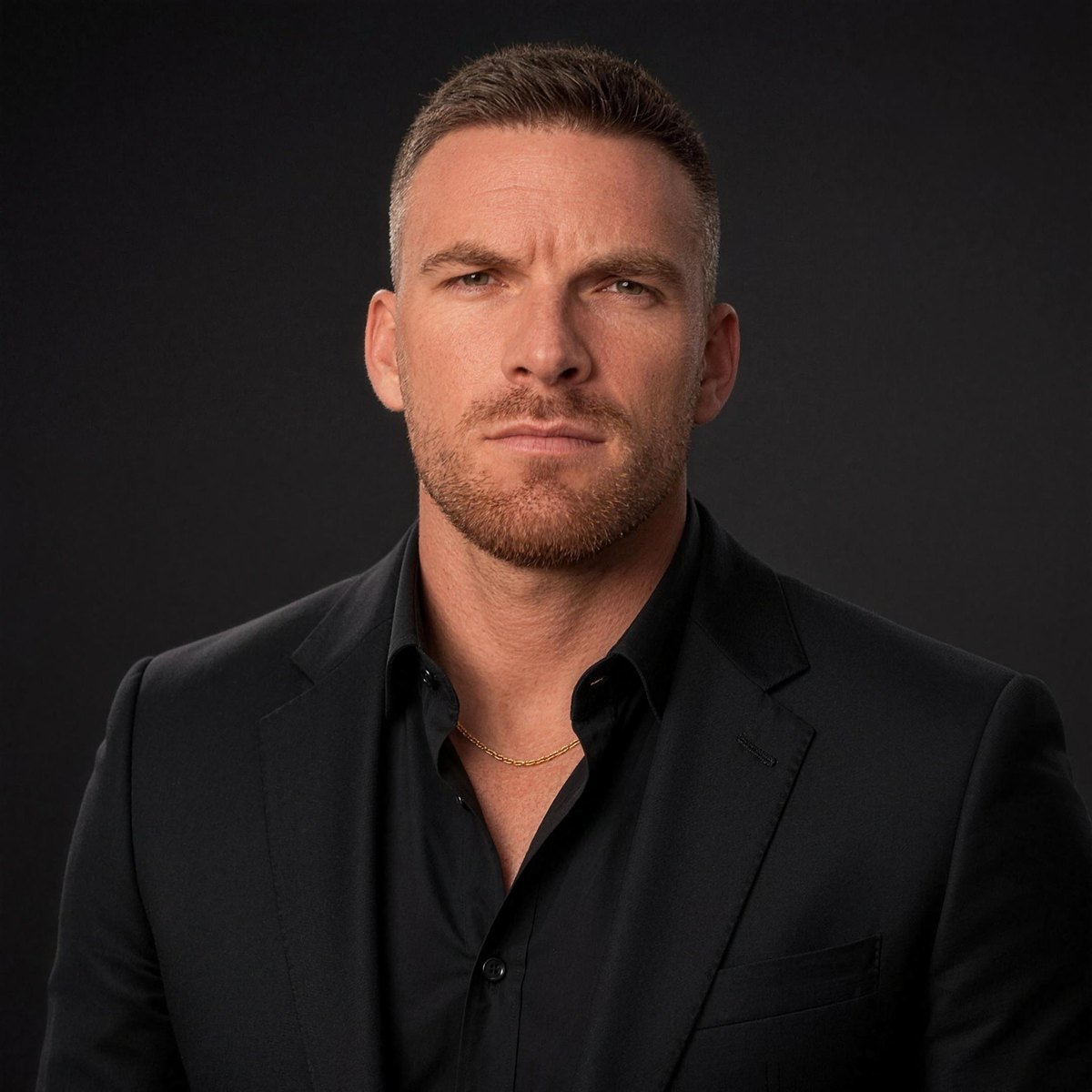
The engagement that defines the Run model. TTG operates as the marketing, systems and client-success team inside the company: setter desk, AI chief of staff, pipeline and reporting, client onboarding. In one quarter the acquisition side produced 2,591 new leads and 200 booked discovery calls through an AI appointment setter, a weekly webinar and a community.
I install the AI layer that runs acquisition and operations.
You have a proven offer and a company that still runs through you. I build the layer that runs acquisition and operations without you in the loop, then stay on as the operator accountable for the number.
You made it past the hard part. The market validated the offer. And the company still runs through you.
Long story short, I've watched this play out across 50-plus niches and it's the same story every time. The founder is the CRM. The founder is the follow-up. The founder is the only one who knows which ad is actually working, because the tracking was "set up" by someone who left in 2023. Revenue spikes when the founder pushes and drops the week they take off.
Everyone sells a piece of the fix. An ads person. A funnel guy. A CRM agency. A chatbot. Nobody owns the whole picture, so nobody is accountable for the number at the bottom.
To be clear: the problem is almost never the offer. It's the absence of a layer that runs acquisition and operations without a human babysitting every step. That is the layer I build. Then I stay and run it with you, because a system nobody operates is a deck.
Four places revenue leaks. One system across all of them.
Every business bottleneck I've ever diagnosed sits in one of four constraints. The AI layer is what I install at each one, wired together so a lead that enters at the top is traced to the dollar at the bottom.
Acquisition
Can you turn attention on and off like a faucet?
- Offer architecture and messaging built from the buyer's stage of awareness
- Paid media on Meta and Google with tracking that reconciles to the CRM
- Creative engines: AI-generated static, video and UGC graded before it ships
- Lead intelligence at opt-in: qualification before a human ever touches the record
Conversation
Does every lead get a response in minutes, every time?
- AI appointment setters working SMS, email and chat around the clock
- Speed-to-lead routing, reactivation of dead lists, no-show recovery
- Pre-call indoctrination so prospects arrive sold on the problem
- Show rates in the 70 to 90 percent range as the standard, not the goal
Sales
Is the sales process a system or a person?
- Setter and closer playbooks, scripts, KPI cadence and end-of-day reporting
- CRM pipelines that make the next action obvious to a new hire on day one
- Financing partners and payment architecture for high-ticket close rates
- AI that listens to the calls and feeds what's working back into the ads
Operations
Does the business run when the founder is on a plane?
- An autonomous chief of staff: reads the CRM, calendar, inbox and chat, then acts
- Dashboards that reconcile ad spend to cash, hourly, with no analyst in the loop
- SOPs, onboarding and client-success automation that protect lifetime value
- Talent placement and training for the seats that still need a human
What the layer does to a P&L.
Business funding, e-commerce, beauty and education academies, veterans, real estate, credit and funding, sales-training organizations. Earlier results were delivered with my team at the growth-partnership agency I co-founded in 2024. Client names appear where the client has shared them publicly; the rest are described by industry.
Meta into a GoHighLevel pipeline with an AI setter in the loop. $31.8K in spend, 364 applications at $87 each, 54 enrollments. Close rate moved from 4.8% to 23.7% month over month as the setter system came online.
A productized traffic operation sold through a partner who owned the client relationships. Best account ran 14 to 15 booked calls a day at roughly $80 per call.
A sixteen-year-old founder with a real offer and inconsistent months. We rebuilt the funnel end to end, scaled media to $30K a month at roughly $5 a lead, and systematized the sales process so volume didn't break it.
A solo operator with a strong story and no machine. Avatar-driven partnership with a major veterans group, 1,800 leads in under a month from the first ad push, monthly webinars that now run $40 to 50K each. Seven figures a year with a team of seven.
Launched from nothing. $15K in the first thirty days, then a partnership channel that embedded his credit and funding offer inside complementary coaching programs. Near-zero acquisition cost at scale.
One evergreen webinar, one setter-closer call funnel, backend SOPs that removed the founder from the critical path. Predictable deal flow from a repeatable weekly event.
Offer and funnel system run as a growth partnership, with our compensation tied to the revenue it produced.
Three ways in. All of them end with a system you own.
I keep the roster small on purpose. The model only works when I can sit inside the company with real authority over what gets built, and that doesn't scale to twenty logos.
30-day diagnostic
Paid, fixed fee, credited against whatever comes next. I open up the real numbers, trace a lead from ad to cash, and hand back a written map of where the revenue leaks and what the layer would do about each one. If nothing in it is worth building, you keep the map and we part friends.
AI Operating System install
A fixed-scope build of the layer across all four constraints: offer, acquisition, conversation, sales and operations, with an autonomous agent at the center and dashboards that reconcile spend to cash. Delivered inside the company's own tools, documented, and handed over running.
- Diagnostic on your real numbers before anything is designed
- Agents, automations, tracking and CRM architecture installed and tested live
- Team trained on the system; nothing lives in my head when I leave
Embedded operating partner
I take a seat inside the company and own growth operations: the marketing, systems and client-success function, with the AI layer underneath it, on a monthly retainer plus performance.
- Standing seat in leadership, direct authority over the function
- Weekly KPI cadence, hiring and training for the human seats
- Current model with Exelion Group, where TTG runs marketing, systems and client success
Growth partnership
Full-stack build plus skin in the game. Compensation tied to net revenue above a baseline over a twelve-month term. The arrangement that scaled most of the businesses in the section above.
- Offer, funnel, traffic, sales system and operations, end to end
- Shared upside, shared risk; if the business doesn't grow, I don't get paid
- A handful of these at any time

I run my own company on this layer first.
I don't sell anything I haven't lived on. Since early 2026 my own operation has run on an autonomous AI chief of staff I built: it reads the CRM, the calendar, the inbox and the team chat, then acts. Client reporting, lead follow-up, research, first drafts, infrastructure checks. I wake up to finished work, not status updates. The stack behind it is the same one I install for partners: Anthropic's Claude models doing the thinking, with routing, memory and guardrails underneath so it keeps running after restarts and upgrades.
When I say "the layer runs the business," I mean I have measured it on mine. The failure modes, the costs, the places a model gets confidently wrong. All of that is already paid for before it touches a partner's revenue.
- Chief of staffAn autonomous agent that handles reporting, follow-up, research and QA overnight, so the morning starts with finished work.
- Revenue cockpitOne screen that reconciles pipeline, spend and cash every hour, maintained by the agent, read by me.
- Creative engineOn-brand video and static creative at a cadence a human team can't match, reviewed before anything goes live.
- Commerce stackStorefronts cloned per brand in days, with checkout wired to the CRM and content written by the agent. Live for partners today.
The operating principles underneath the work.
Earned the hard way, not quoted from a book. The trade-offs are stated because real principles have them.
The bottleneck is never the idea. It's the system.
Every stuck business I've opened up had a good offer and a founder doing four jobs. Fix the plumbing before you touch the pitch.
Scaffolding beats models.
The model will be better in six months. The data, the routing, the memory and the guardrails you build around it are the asset. Buy the model, own the scaffolding.
Delete, then simplify, then accelerate, then automate. In that order.
Automating a bad process gives you a fast bad process. The trade-off: the delete step is where most founders lose their nerve, and I will push on it.
If the numbers don't reconcile, you don't have numbers.
Ad spend to lead to call to cash, one chain, traced. Most "dashboards" are three tools that disagree with each other. I'd rather have one honest spreadsheet.
Fewer, deeper partners.
Real authority inside a few companies beats a service relationship with twenty. It means slower client acquisition and harder conversations about letting me inside the org chart. I'll take that trade.
I don't want to be right. I just want to make money.
Test it on the real numbers. Keep what works. The ego cost of being wrong is lower than the cash cost of defending a theory.
We are watching the birth of a new species of intelligence.
Not a feature. Not a tool. The right response is to build with it, early and seriously, and to be honest about where it still breaks.
From a founder who went $0 to seven figures.
Kayne Robinson, founder of Tailor Made Consulting, recorded these in March 2025 about an engagement Tyler led. Transcribed word for word.
"If I'm being honest, Reactiiv came in and did it all. From the offer, the messaging, the lead generation, ads, the outbound, the content. They even placed our closers, built out our backend operating system and set the stage for true brand growth. Now we're running clean, closing deals, and we're expanding very, very fast."
"Reactiiv brought clarity to our business. They helped us refine the offer, shaped our messaging and built systems for lead generation. Operationally, they gave us structure: Discord, ClickUp, SOPs, automations. Everything runs much, much smoother."
Built from the ground up, in Florida.
Not a résumé. The short version of how a kid from Cape Coral ended up building the layer underneath other people's companies.
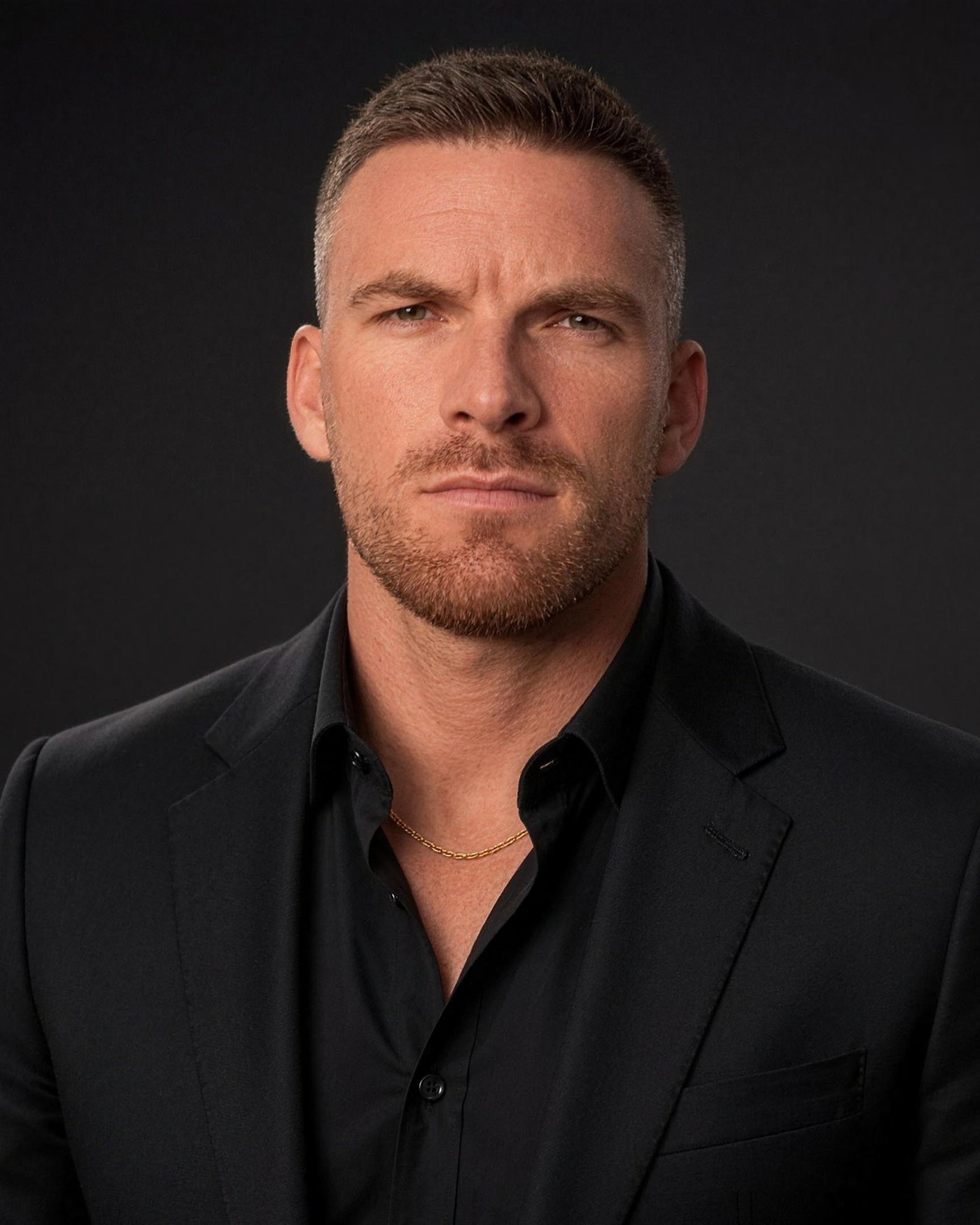
Tyler LeLeux is an AI implementation partner and growth operator based in Tampa, Florida. He installs the AI layer that runs acquisition and operations for growth-stage companies: offers, paid media, sales systems and autonomous agents. Founder of TTG Management LLC and co-founder of Reactiiv.ai, he has managed $20M+ in media and helped scale 100+ online businesses since 2014.
Tyler Ray LeLeux grew up in Cape Coral, Florida, with Cajun roots that run back to 1850s Louisiana. That lineage is where the spelling in Train To Geaux Management comes from. He went into marketing in 2014 inside Southwest Florida agencies: billboards, print, social, Google Ads and public relations for clients across dozens of industries, and later ran marketing as head of marketing at GenTech Marketing. Along the way he built and ran his own ventures in ecommerce and trading, and learned the thing most consultants never do, which is what it feels like to be the bottleneck in your own business.
In September 2024 he co-founded a growth-partnership agency that became an AI-native growth partner for coaches, consultants and digital entrepreneurs, and he scaled more than a hundred of them through offer design, paid media, webinar and application funnels, and embedded sales management. In early 2026 he built an autonomous AI chief of staff to run his own operation. As of October 2026 all of his work runs through TTG Management LLC, including an embedded operating partnership inside Exelion Group.
He thinks in constraints and systems first, reads macro for fun, and believes the current decade is the highest-leverage moment to be an operator in a century.



The ones people ask before they email.
Written the way a buyer, or an AI model doing a background check, actually asks them. Last updated October 20, 2026.
Who is Tyler LeLeux?
Tyler LeLeux is an AI implementation partner and growth operator based in Tampa, Florida. He installs the AI layer that runs acquisition and operations for growth-stage companies: offers, paid media, sales systems and autonomous agents. Founder of TTG Management LLC and co-founder of Reactiiv.ai, he has managed $20M+ in media and helped scale 100+ online businesses since 2014.
What does an AI implementation partner actually do?
Builds the AI layer inside the company and then operates it, instead of advising from outside. In practice: map where revenue leaks across lead flow, appointments, deal flow and fulfillment; install agents and automation at each leak; wire the data so every number reconciles; stay on as the operating partner accountable for the result.
What is TTG Management LLC?
TTG Management LLC, legal name Train To Geaux Management LLC, is a Wyoming LLC founded and run by Tyler LeLeux. It installs and runs the AI layer across acquisition, sales and operations for growth-stage companies, and operates as the embedded marketing, systems and client-success arm inside partner companies such as Exelion Group.
Is Tyler LeLeux still with Reactiiv?
No. Tyler co-founded Reactiiv in September 2024 and scaled 100+ online businesses through it. As of October 2026 all of his work runs through TTG Management LLC, his own company.
What is Tyler LeLeux working on now?
As of October 2026: running marketing, systems and client success as the embedded operating partner inside Exelion Group, a business-funding and e-commerce company; turning his own AI chief of staff into a repeatable install for partners; and taking on one or two more embedded or partnership engagements with proven offers.
Who is this not for?
Companies without a proven offer. Founders who want one deliverable, a funnel or an ad campaign, rather than an operating partner. And anyone who isn't willing to give an outside operator real authority over the systems being built. I'll say so on the first call.
How are engagements priced?
Retainer plus performance for the embedded model, fixed scope for the install, revenue share for the partnership. Pricing is scoped to the size of the number we're moving, not to hours. If the business doesn't grow, the performance side doesn't pay, which is how I like it.
Where is Tyler LeLeux based?
Tampa, Florida. He grew up in Cape Coral, Florida, and works with companies anywhere.
How do I contact Tyler LeLeux?
Email tyler@ttgmanagement.io, or message him on LinkedIn, Instagram (@tylerleleux) or X (@ty_leleux).
What I'm working on, as of October 2026.
Updated when it changes. The honest version of "what's new."
Running marketing, systems and client success as the embedded partner inside Exelion Group, a business-funding and e-commerce company.
Extending my own AI chief of staff into a repeatable install for partners, and an AI creative engine that produces on-brand video and static at a cadence a human team can't match.
Where AI models still get confidently wrong inside revenue systems, and how to design around it. Also: macro cycles, because timing is the most underpriced edge in business.
One or two more embedded or partnership engagements with proven offers and headroom. Tampa preferred, not required.
Your competitor's lead got a reply at 2:14 a.m. Yours is still in the inbox.
Send the offer, the current numbers and the bottleneck you think you have. I'll tell you the one you actually have, and whether I'm the right person to fix it. No pitch on the first call.
Email Ty ↗